


This is part of “Let Cities Build Utopia,” an 11-part series on the future of cities. Collect the complete series as a print pamphlet, digital pamphlet, or audiobook. 👇🏻

In the late 19th century, the social reformer Ebenezer Howard thought small communities should entirely self-govern—that we should create a world of self-sufficient city-states, each turning a profit so they could provide everything residents needed, including social welfare.
Howard’s idea wasn’t a new one. In fact, he was inspired by a wave of company towns that had already done it. Bournville, in particular.
The Quaker chocolatiers George and Richard Cadbury had a front-row seat to the worker strikes and riots that plagued 19th century England. By then, cities had become choked with soot, poor sanitation precipitated waves of epidemics, workers earned exploitative wages on 14- to 16-hour shifts, and children worked in unsanitary and dangerous conditions. But the brothers had the goal of “alleviating the evils which arise from the insanitary and insufficient housing accommodation supplied to large numbers of the working classes, and of securing to workers in factories some of the advantages of outdoor village life, with opportunities for the natural and healthful occupation of cultivating the soil.”
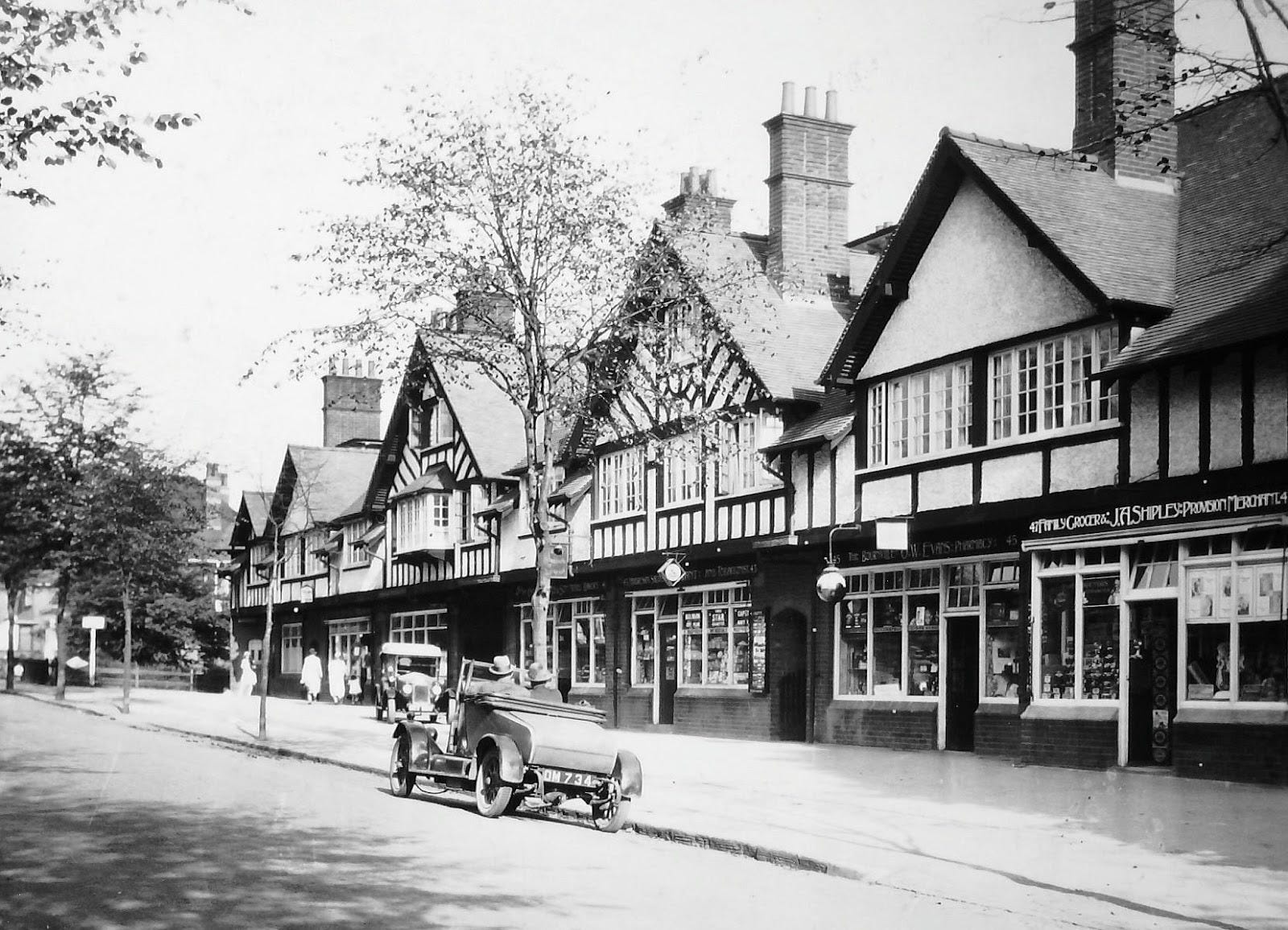
So in 1893, the Cadburys purchased 330 acres outside of Birmingham and hired an architect to design Bournville, a factory town with worker cottages built in the Arts and Crafts style. Rents were subsidized by the Cadburys and set below market rates, with 10% of the land reserved for gardens and recreational spaces including outdoor swimming pools, tennis courts, and soccer pitches. The community was surrounded by an abundance of trees and landscaping, and each home had its own garden plot.
They called it the “Factory in a Garden.”
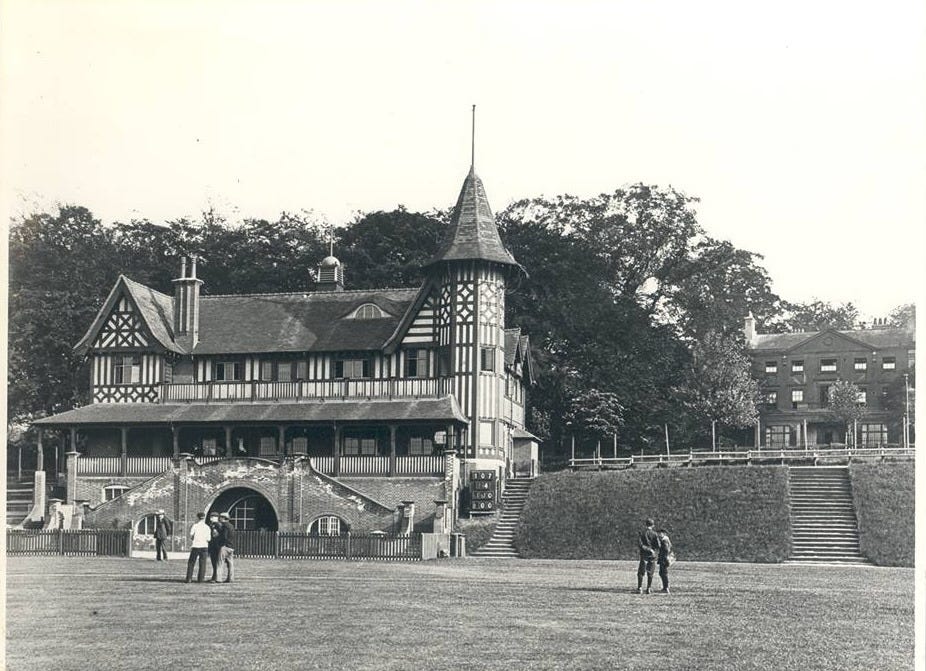
Not only did workers move into a pastoral paradise, with an idyllic setting straight out of a fairy tale and affordable cottages so picturesque they might as well be gingerbread homes, but they were granted pensions, life insurance, and paid holidays. It might have been the most beautiful town with the best-treated workers in all of England—and this in a village owned by a company!
But this was just the beginning.
In 1900, just five years after the village’s first houses went up for sale, George Cadbury did something truly revolutionary. He gifted ownership of the entire estate—then comprising 330 acres and 370 cottages—to the newly established Bournville Village Trust, effectively transferring ownership of the village to the community itself.
The city was no longer owned by a rich benefactor, but by a trust that would ensure the best interest of residents in perpetuity!
This formed a quasi social state for residents.
