


This is part of “Let Cities Build Utopia,” an 11-part series on the future of cities. Support the project by collecting the complete series as a print pamphlet, digital pamphlet, or audiobook. 👇🏻
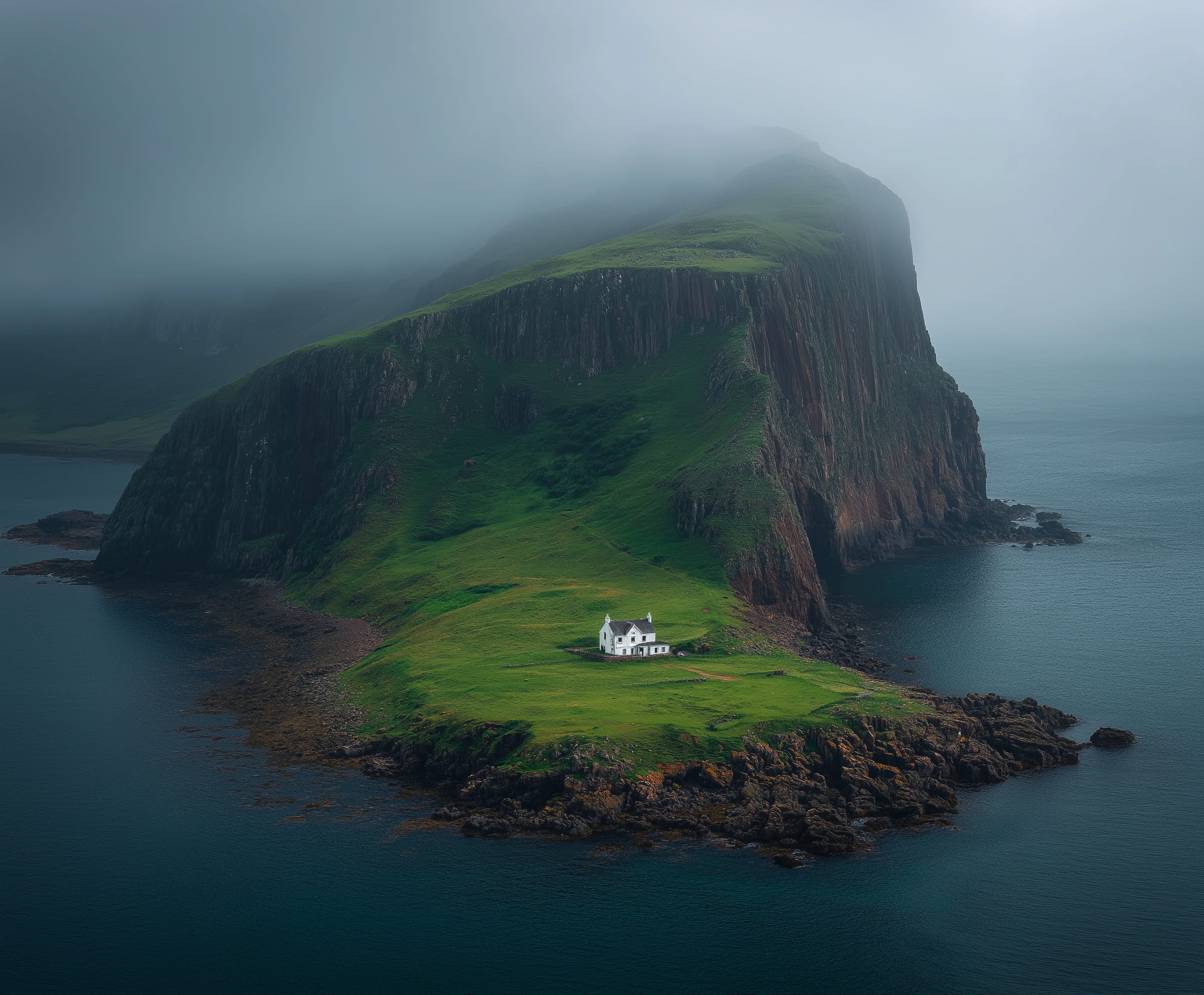
In 1997, 65 people living on the Scottish island of Eigg purchased the island together.
For centuries, the island had been owned by landlords who didn’t live on the island, much less invest in its improvement. Rents were extracted, infrastructure decayed, populations collapsed. Residents relied on diesel generators and fuel shipped in from the mainland, which made energy expensive and unreliable.
When a wealthy artist bought the island as his own personal lifestyle retreat in the 1980s, that was the final straw. He refused to improve roads and infrastructure and tried to evict the island’s residents when they objected.
Islanders united against him, so did the press and media, and wider public opinion. Scottish authorities intervened, stopping the island’s owner from evicting residents and forcing him to provide at least minimum habitability. Meanwhile, the owner struggled financially and was forced to put the island up for sale in 1997. By then, the island had organized, raised public and charitable funding, and formed the Eigg Heritage Trust, which purchased the island on behalf of residents.
Islanders bought the island they lived on.
And the trust formed a micro government.
To this day, the trust is run by three entities: The Isle of Eigg Residents Association (representing island residents), the Highland Council (representing the local government), and the Scottish Wildlife Trust (which ensures long-term environmental stewardship of the island). Board members are appointed by their communities and serve staggered three-year terms, ensuring the island runs in the interest of all three stakeholders.
In other words: The trust works like a tiny country, running the island in the interest of its residents.
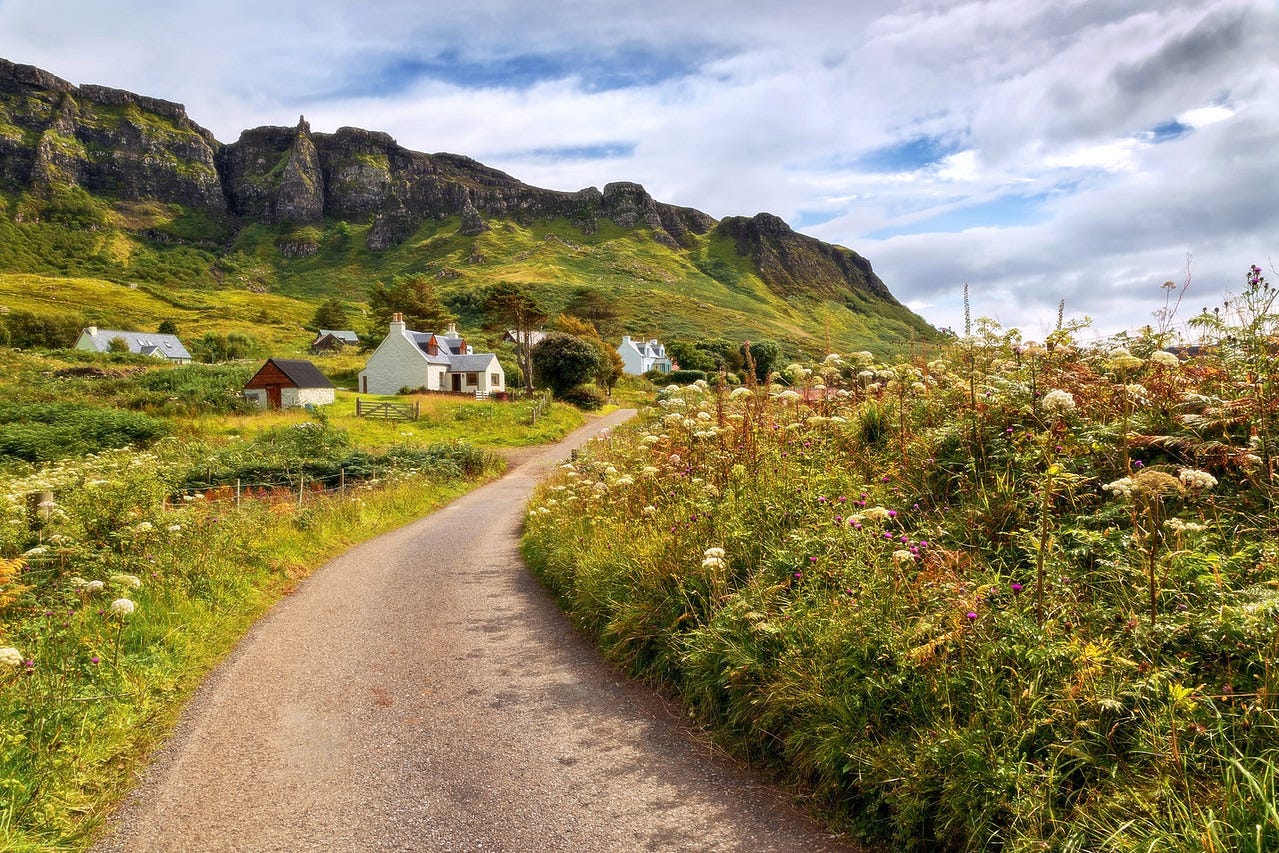
Because the community owns the land, private individuals do not. Residents purchase 99-year leases for their homes, farms, and businesses, and that money goes to the trust—not some eccentric billionaire. The trust earns about £200,000 per year and uses those profits to reinvest in the island, building roads, piers, and commercial buildings. It even built Eigg Electric—a renewable energy grid with wind, solar, and hydro power—providing affordable and reliable power to the island for the very first time.
This created a circular system where residents and businesses pay for land leases and energy, and that money goes directly to the trust, which reinvests it back in the community.
The island even built an intentional tourism sector. Today, it is home to just 110 people and sees 10,000 tourists a year, but it has avoided the hollowing out effect of Airbnb as revenue goes to trust-owned campsites and guest accommodations, or privately owned guest accommodations on trust-owned land. As a result, all tourist activities benefit island residents rather than absent private developers and hotel chains.
Eigg is tiny, and its innovative approach has largely been overlooked by modern thinkers ready to worship autonomous cities like Hong Kong, Chinese special economic zones like Shenzhen, corporate developments like California Forever, and charter cities like Próspera. These cities have master-planned communities and created enormous economies, and they are worth studying for those gains, but they are not creating utopian cities that provide a better life for residents.
Eigg is.
After Scotland gained its own parliament in 1999, it quickly passed land reform that would create more Eiggs across the country. First, it created the Scottish Land Fund, which provides public funds to communities interested in buying their own land. Then in 2003, the Land Reform Act gave communities first rights to rural land—any group can now register interest in a property and have the first right to purchase it when it goes up for sale. In 2015 and 2016, the reform was expanded to include urban areas, and even granted communities the right to compel a sale if land was abandoned, neglected, or otherwise harming the community or the environment.
As a result, more than 500 communities across Scotland have taken ownership of more than 563,000 acres of land and buildings. That’s more than twice the area of Glasgow, Edinburgh, and Dundee combined. The largest and oldest project is on the Isle of Lewis, where the Stornoway Trust owns 40 townships on 69,000 acres, on behalf of the 11,000 residents who live there. Here, commercial development makes up a large portion of the trust’s income, earning commercial and industrial ground rents from their harbor, marina, and waterfront development, as well as surrounding agricultural lands and the island’s historic Lews Castle Grounds.
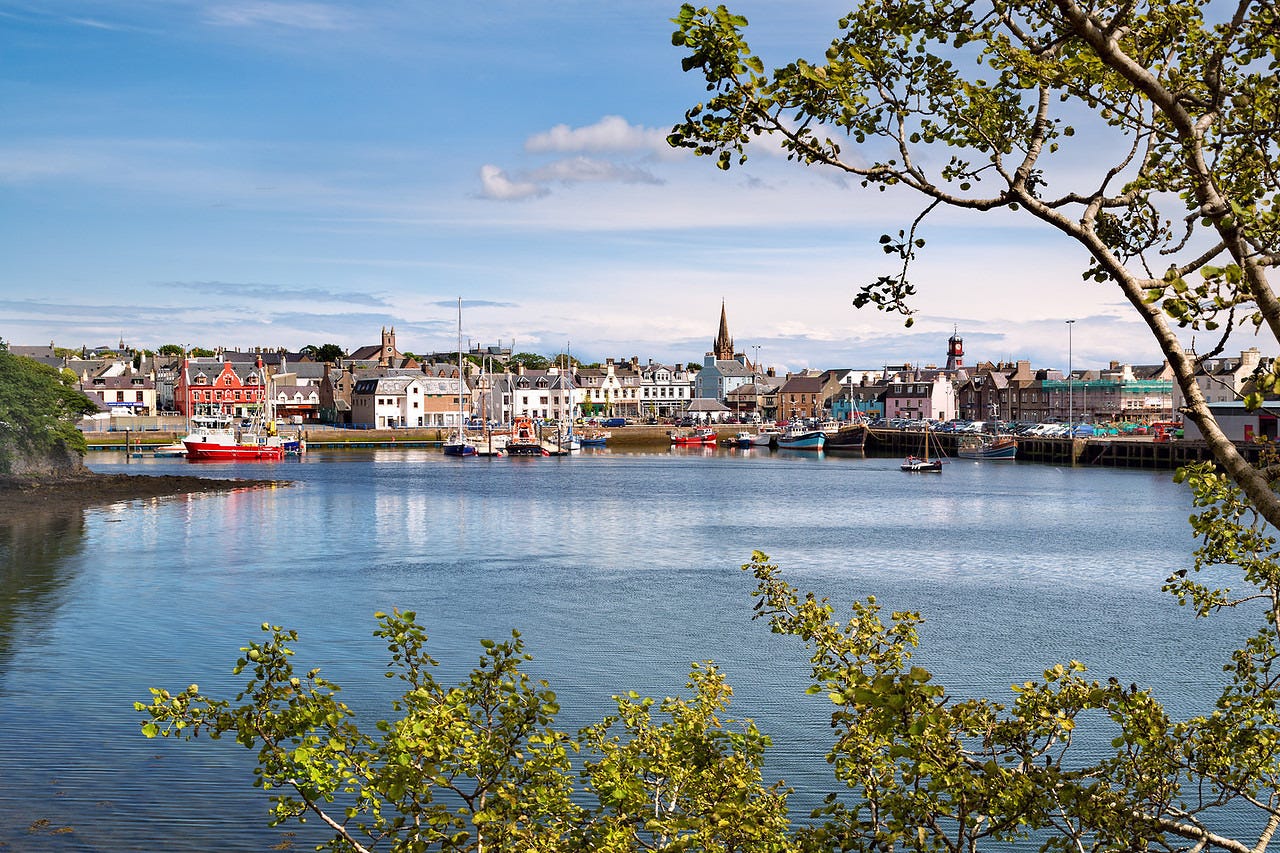
In this way, Stornoway functions like a tiny version of Singapore—both islands own their own land, earn commercial and residential rents from it, and use those earnings for the good of the residents who live there. Singapore was able to do it because it is also its own country, but Scotland was able to do it by creating hundreds of micro-sovereignties that exist inside a larger nation. That might make it one of the best places in the world to build utopian cities and villages in the future!
If we want to create better cities—more specifically, if we want to create the most utopian cities on Earth—we need much better case studies, like Eigg, and that is the subject of my research here. Throughout the past century, companies have built more beautiful cities than Hong Kong. Investors have funded a better quality of life than Shenzhen. Islands and counties have carved out autonomy for residents, not governments. Tribes are building more prosperous cities than Próspera, and new city projects on the horizon aspire to create the happiest place to live.
If we want to create utopia, we should learn from their examples and create a new vision for what the city of the future could be.
Not just an autonomous city, but a self-supporting city.
Not just a wealthy city, but a flourishing city.
Not just a bunch of skyscrapers, but a utopia.
This is part two of an essay series titled “Let Cities Build Utopia.”
« Click to read the previous installment // Click to read the next installment »
Special thanks to the Center for Land Economics who supported this series as a patron. I highly recommend their newsletter “Progress & Poverty,” which was invaluable to my research.
I really love this idea of starting with these smaller communities that have the space and some prior sense of community that enable them to become self-sustaining in this way. They help us see the necessary fundamentals, and I think examining the building blocks in this way allows us to see how it could work better on a larger scale.
Good for them! My Scottish ancestors would be most pleased.